The billion dollar gap for GLP-1 brands
Brand leaders must join anti-counterfeit teams to tackle the $171B non-adherence crisis and protect GLP-1 margins.


Peter Bloch
Market Development Manager, Avery Dennison
June 10, 2026
Twenty years ago, if you pictured the patient who needed long-term medication you probably imagined someone old(er). They met their doctor, picked up a month’s supply from their pharmacist, and had a pill organiser. The information flow went in one direction, from healthcare professional to patient.
That patient still exists. But today there is a bigger picture.
The GLP-1 phenomenon has put chronic medications into the hands of people in their twenties and thirties. These are patients who research their treatment options through AI before they even book an appointment with a doctor. They cross-reference all the pharma brands, ask the same question on different LLMs to make sure they're not getting a biased answer, and arrive at a clinical decision without any physical meeting with a healthcare provider. They are mobile-first. That's how they organise their life. In a couple of clicks they research the best deals and buy online. Easy.
I've spent more than two decades working with RFID technology across retail, biotech, and healthcare. In that time I've watched the supply chain get significantly smarter while the patient-facing infrastructure has barely moved. The pharmacy in a hospital has digitally transformed, whereas the drug packaging the patient receives at home has not changed much. New research across 5,000 chronic medication patients confirms that gap is visible to patients. 63% of Americans report anxiety about whether their medication is genuine and safe to use. Across all countries, 83% say they would value packaging that lets them verify their medicines are not counterfeit.
The tool they most want to use for that verification is the same one they use to pay for it. Their smartphone.
The smartphone has become the device for buying, for their identity, and access to their health information. Tapping with your phone is the way to pay. People transfer funds without understanding the advanced cryptography underneath it, because the trust is already there. The infrastructure exists. The question for pharmaceutical manufacturers is: where are you, and are you ready to interact with patients in a way that works for them?
Brand owners I speak with are all aware of counterfeit risk. GLP-1 drugs are among the most targeted on the market right now, and having systems in place to allow patients to ensure their own safety, and to protect pharma brands against reputational fallout is simply the minimum requirement. The survey data adds something the industry doesn't often have access to: a direct read on how patients are actually feeling. And what patients are telling you is that they are anxious, and they want to verify.
I see that as the table stakes framing. But there is an upside. A patient prescribed with GLP-1 requiring it for life is a very different commercial proposition than the chronic patient of a previous generation. Authentication is the entry point to a long term relationship. Brand loyalty, direct messaging and engagement (just like they do on so many platforms today), long-term trust, those are what get built on top of it. Will we get their message?
What are patients worried about today? Read the patient survey for free.
Three Avery Dennison Healthcare experts explore what the data means for pharmaceutical brand strategy, supply chain design, and patient engagement.

Brand leaders must join anti-counterfeit teams to tackle the $171B non-adherence crisis and protect GLP-1 margins.

Hospitals have strict safety checks, but home patients are left alone. It's time to extend protection to the doorstep.

Pharma teams must bridge the trust gap by making invisible supply chain security visible to anxious patients at home.

With GLP-1s shifting into a wellness category, pharma must give patients the tools to verify fakes at home.
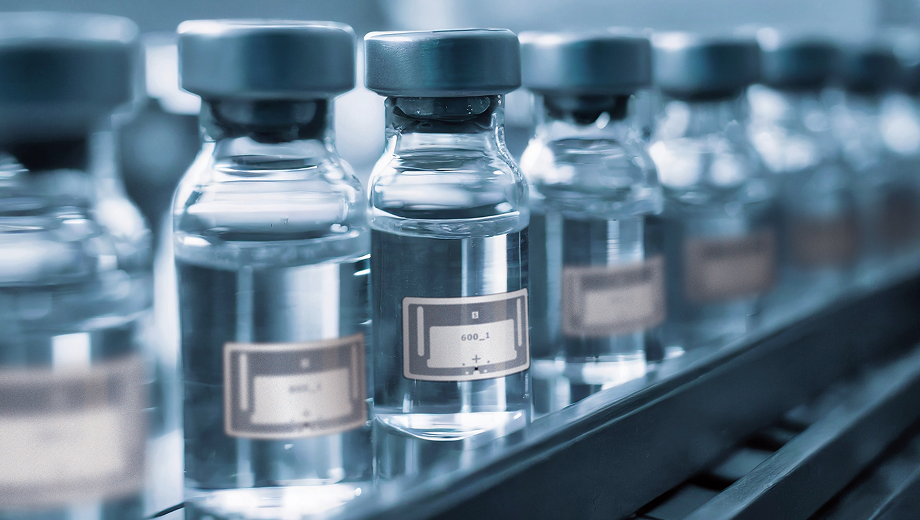
Discover how pharma production lines are using RFID embedded into primary packaging to enable safety, efficiency and compliance from the start of the supply chain.
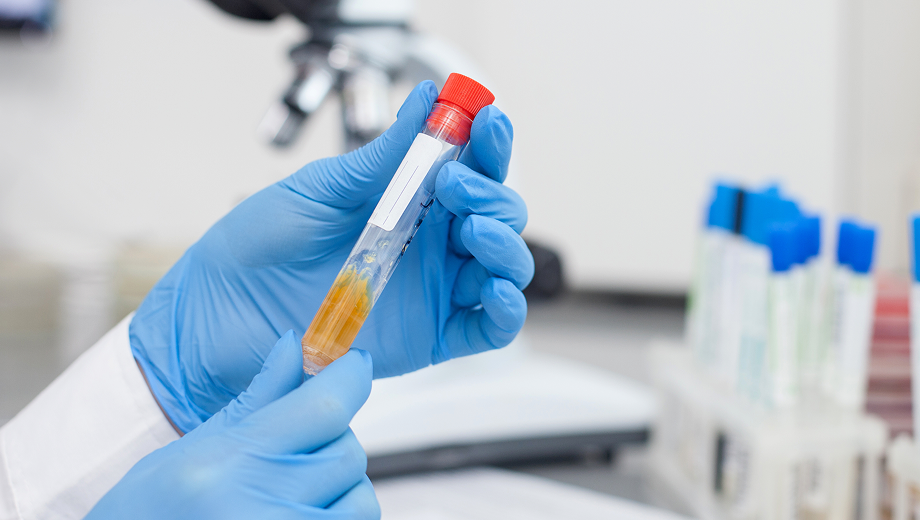
Labs and medical testing facilities are using smart labels to improve the speed, chain-of-custody and efficiency of test results.
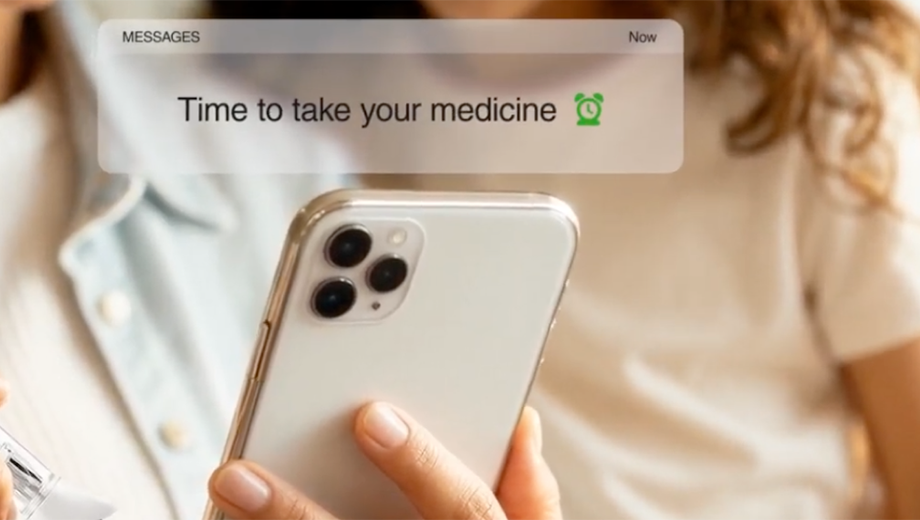
RFID and NFC give every medicine, device, and consumable a unique digital identity. Instead of relying on manual checks or disconnected systems, healthcare gains item-level visibility.
Connect with our team for a private briefing focused on the evidence and its strategic implications for your leadership team.