Pharma brands have a trust blind spot
Pharma teams must bridge the trust gap by making invisible supply chain security visible to anxious patients at home.



Barbara Van Rymenam
Senior Director, Healthcare, Avery Dennison
June 10, 2026
The conversation about patient safety in pharmaceutical companies is missing some key leaders.
The anti-counterfeiting and operations teams I work with are exceptional. They understand the risk and see protection as a priority. But it’s defensive, like an insurance policy. And in a category like weight loss drugs growing at twenty percent a year, with patients who may take the same product for years, the future business financial performance is a vital part of the conversation. Brand owners and commercial teams need to be in the room.
New patient research
A recent patient survey has revealed significant anxiety around counterfeit medicines, and that finding deserves the attention it is getting. But I was struck equally by a second finding in the data.
Only 43% of patients say they take their medication exactly as directed. In the US over half forget. What does this mean for a chronic GLP-1 treatment? These drugs only work if they are taken consistently. The patient outcome depends entirely on following the prescription. Today, nobody can see if they do.
Non-adherence costs the global healthcare system an estimated $171 billion a year in lost therapeutic outcomes. Pharmaceutical companies will see this as churn. Patients who do not adhere to a GLP-1 regimen do not experience the full therapeutic benefit, and may attribute that to the drug rather than to their own behaviour. They may discontinue treatment. They may switch brands (probably to lower-cost alternatives). And the commercial relationship, which in a direct-to-patient model is now between the brand and the patient, simply ends.
The research shows that patients are open to support, and what strikes me is that what they are requesting is exactly what the direct-to-patient model was supposed to deliver. Leading brands have invested significantly in building direct relationships with patients, creating platforms where prescribing, dispensing and delivery happen in a single digital journey. The ambition is logical. The patient, once on the platform, should feel supported, informed and connected, and in control.
But the research suggests that for a significant proportion of patients, the connection stops at their front door. The product arrives, and they are alone to manage their treatment.
The lifetime value calculation
A patient who starts on a weekly injectable GLP-1 today and stays on treatment for ten years represents a predictable commercial result. The patient who drops off in year one is a significant margin risk. And the data suggests that the information gap, confusing instructions, no reminder system, no direct line to a pharmacist, no way to verify the product is genuine, is a meaningful cause of early discontinuation. In a category where the margin on retained patients is substantial, there is an argument to invest in protecting it.
This is why brand owners and commercial teams need to be in the room alongside their anti-counterfeit and operations colleagues. Because the technology that enables a patient to verify her product is genuine is the same technology that delivers her dosing reminder, connects her to her pharmacist, and keeps her engaged with the brand across the lifetime of her treatment.
It is not two conversations. It is one. Protecting against the downside of counterfeit risk, and ensuring the long term commercial upside share the same foundation.
Anti-counterfeit teams need commercial leaders at the table
If we limit the conversation to cost, risk, and regulatory obligation, we are missing the bigger opportunity.
The most progressive conversations I have had are the ones where an engineer and a brand manager are sitting across the table from each other, realising they are trying to solve the same problem from different directions.
This survey gives the patient perspective. Pharma leaders from anti-counterfeit, operations, brand, and commercial teams are being spoken to.
Three Avery Dennison Healthcare experts explore what the data means for pharmaceutical brand strategy, supply chain design, and patient engagement.

Pharma teams must bridge the trust gap by making invisible supply chain security visible to anxious patients at home.

Hospitals have strict safety checks, but home patients are left alone. It's time to extend protection to the doorstep.

Mobile-first GLP-1 patients expect to use their smartphones to verify medication safety instantly.

With GLP-1s shifting into a wellness category, pharma must give patients the tools to verify fakes at home.
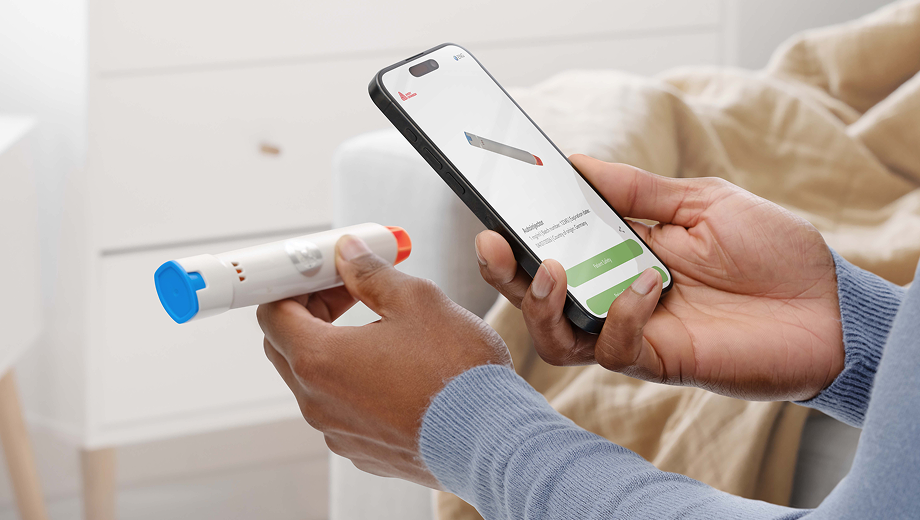
Smart packaging is helping patients and care providers to authenticate medicines and manage therapy adherence.
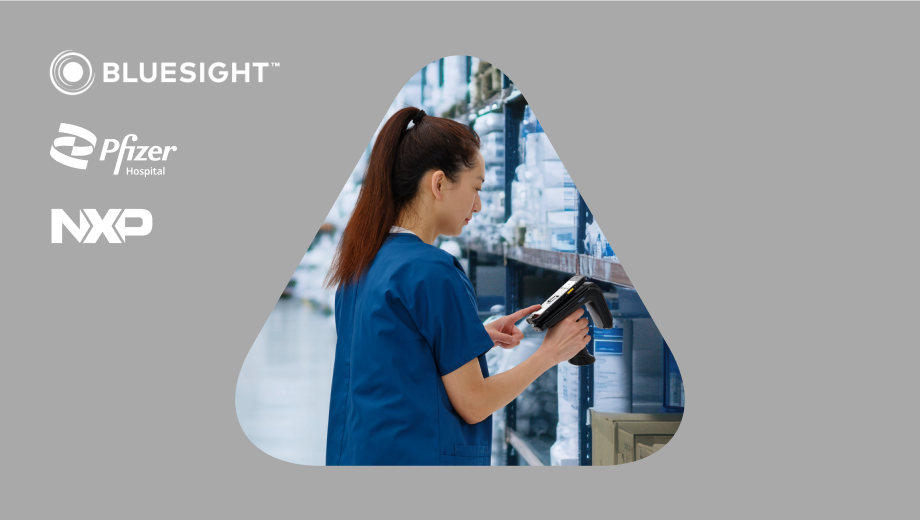
Pfizer shares the impact of intelligent product labels on their manufacturing, supply chain, and patient safety in this deep dive webinar.

Discover how pharma production lines are using RFID embedded into primary packaging to enable safety, efficiency and compliance from the start of the supply chain.
Connect with our team for a private briefing focused on the evidence and its strategic implications for your leadership team.