The billion dollar gap for GLP-1 brands
Brand leaders must join anti-counterfeit teams to tackle the $171B non-adherence crisis and protect GLP-1 margins.


Jenni Krohn
Market Development Manager, Avery Dennison
June 10, 2026
Think about what happens when a patient receives medication in a hospital.
A nurse checks the patient's wristband. She checks the medication label. She verifies the dose. She records the administration. If anything is unclear, a pharmacist is on call, a system that flags anomalies, a process that has been designed and audited to ensure the right medicine dose reaches the right patient at the right time.
Now think about that patient at home
A box arrives. The patient opens it and scans the leaflet. The patient takes the dose they think is correct and hopes it is what it says it is. But there is nobody to check.
The second scenario is now the primary experience for tens of millions of patients on chronic GLP-1 treatments, and the number is growing rapidly. In the hospital, everything is done to make it safe for the patient. At home, the patient is alone.
What the hospital gets right
I have spent over a decade working on pharmaceutical supply chain standards. The systems built to protect patients are genuinely impressive. Serialisation at the unit level, chain of custody verification, and pharmacists or trained clinicians as the final checkpoint before the product reaches the patient.
The hospital patient benefits from all of this. Patients also benefit from a nurse who knows her chart, a clinician who monitors her response, and a system that flags if a dose was missed or administered incorrectly. Patients at home are more vulnerable, and now they are starting to tell us.
The patient perspective
We surveyed 5,000 patients and nearly half admit to forgetting to take their medication. In a hospital that uncertainty would be resolved immediately. At home, it means 58% are not always taking medication exactly as directed.
Patients are not asking for the hospital experience to follow them home. They are asking for enough information to feel confident, and a way to get help when they need it.
This matters more for chronic prescriptions because the outcome relies on consistent, long-term adherence. The hospital manages this through oversight. The DTC model is not yet replicating that oversight, and beyond adherence, it is also being exploited by organised counterfeiters.
For the home patient receiving a parcel, there is no nurse, no chart, and no way to check if what she is about to inject, or swallow, may or may not be genuine. This is the world we are building.
The research tells us 83% of patients want to verify their prescriptions aren’t fake. The full findings say far more about what patients are concerned about, and expect from pharma brands.
Three Avery Dennison Healthcare experts explore what the data means for pharmaceutical brand strategy, supply chain design, and patient engagement.

Brand leaders must join anti-counterfeit teams to tackle the $171B non-adherence crisis and protect GLP-1 margins.

Pharma teams must bridge the trust gap by making invisible supply chain security visible to anxious patients at home.

Mobile-first GLP-1 patients expect to use their smartphones to verify medication safety instantly.

With GLP-1s shifting into a wellness category, pharma must give patients the tools to verify fakes at home.

Intelligent digital identification of high-value medications is ensuring care providers have the right drugs available for patients at the moment it’s needed.
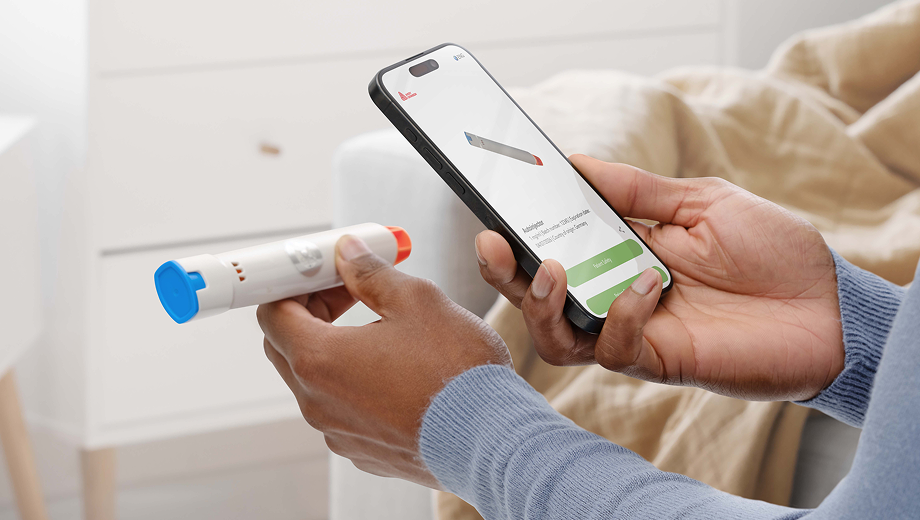
Smart packaging is helping patients and care providers to authenticate medicines and manage therapy adherence.
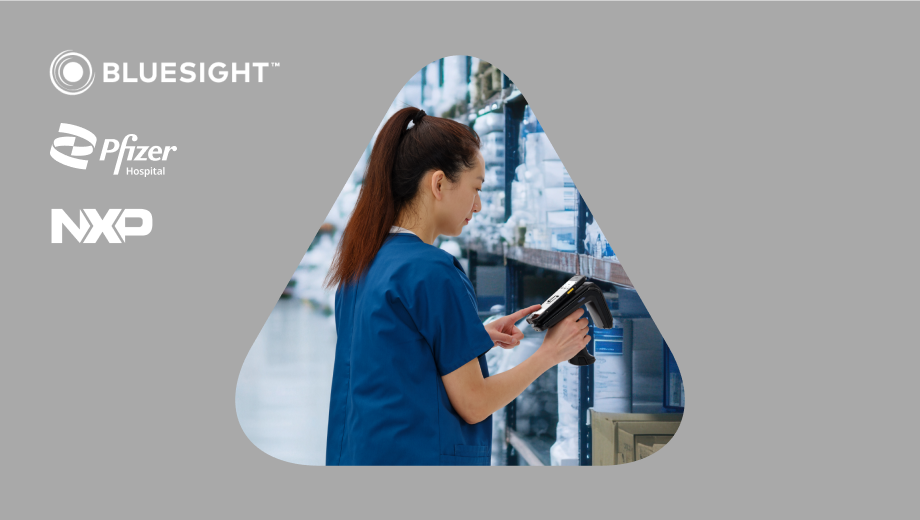
Pfizer shares the impact of intelligent product labels on their manufacturing, supply chain, and patient safety in this deep dive webinar.
Connect with our team for a private briefing focused on the evidence and its strategic implications for your leadership team.