The billion dollar gap for GLP-1 brands
Brand leaders must join anti-counterfeit teams to tackle the $171B non-adherence crisis and protect GLP-1 margins.


Barbara Van Rymenam
Senior Director, Healthcare, Avery Dennison
June 10, 2026
A few weeks ago I was sitting in a meeting with the anti-counterfeiting team at one of the largest pharmaceutical companies. Everyone present knows this industry deeply, takes patient safety seriously, and are genuinely working hard to solve a very difficult problem.
We were walking through new research from patients and stopped at one number. 63% of American patients worry their medication might not be genuine.
Then someone said: “But we ship medication to patients from our own warehouse. We control every step. We know it’s safe.”
And that is a point I run into often.
The team’s reaction was immediate and honest. Their oversight was that the security they had built into the supply chain was invisible to the patient. The assumption is ‘we know it's safe, so the patient should feel safe’.
Many patients now get their prescriptions delivered to a mailbox, entirely cut off from the pharmacy team. Ordering online creates a sliver of doubt. The arrival of a standard cardboard box creates another. Suddenly, patients are holding something they are about to put into their bodies, yet they have no way to confirm it is what the label says it is. It doesn’t matter how clean the supply chain is. The anxiety doesn't come from a faulty system; it comes from being left in the dark.
The insight landed. “We assumed that because we know it’s safe, the patient would feel safe.”
This is the gap I keep discovering with pharma teams. Not a gap in intent, or capability. A gap in understanding the patient perspective, and how this can affect patient safety, and their business.
What 5,000 patients told us
We recently commissioned new research to survey 5,000 patients about their experience with prescriptions, especially when ordered online. Are they worried about medication being genuine? Do they trust what arrives in the post? What would make them feel confident?
Our broader research shows a stark reality: 60% of surveyed patients worry their medicine is not genuine. Yet, when looking at this new data, a profound disconnect emerges. On paper, it looks reassuring that 94% of patients claim to feel confident their medication is authentic. But look closer, and that "confidence" is fragile.
The illusion breaks when you read the very next finding: 83% of those same patients say they would value a way to verify authenticity. Their confidence isn't total peace of mind—it is a wish for certainty in a system that currently forces them to rely on blind faith. And today, they simply can't know for sure.
What makes this so difficult is that counterfeit packaging has become incredibly sophisticated. Fakes are appearing in every market, and they are genuinely difficult to distinguish from the real thing. It is a mainstream threat, and the anxiety patients feel is entirely understandable.
Patients are understandably oblivious to the invisible checks and controls happening behind the scenes in the pharmaceutical supply chain—and counterfeiters know exactly how to exploit the gaps. The research tells us that patients want to stop guessing.
Two problems. One unsolved.
These are the demands of people who take medication routinely for chronic conditions, and who deserve the confidence to do so safely.
When I think about the conversation in that meeting room, what stays with me is not the data point. For a long time, the industry has been so consumed with securing the supply chain that it has overlooked the importance of building trust.
Those are two different problems. The first one, pharma has worked on for decades. The second one is an expanding blind spot, and only just beginning to be understood. The patients we have surveyed have told us exactly what they need, in more detail than is often asked.
Three Avery Dennison Healthcare experts explore what the data means for pharmaceutical brand strategy, supply chain design, and patient engagement.

Brand leaders must join anti-counterfeit teams to tackle the $171B non-adherence crisis and protect GLP-1 margins.

Hospitals have strict safety checks, but home patients are left alone. It's time to extend protection to the doorstep.

Mobile-first GLP-1 patients expect to use their smartphones to verify medication safety instantly.

With GLP-1s shifting into a wellness category, pharma must give patients the tools to verify fakes at home.
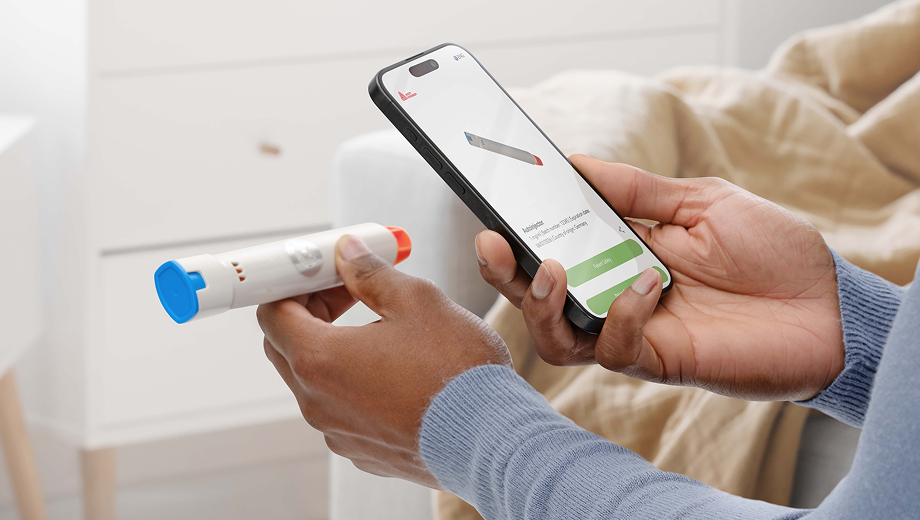
Smart packaging is helping patients and care providers to authenticate medicines and manage therapy adherence.
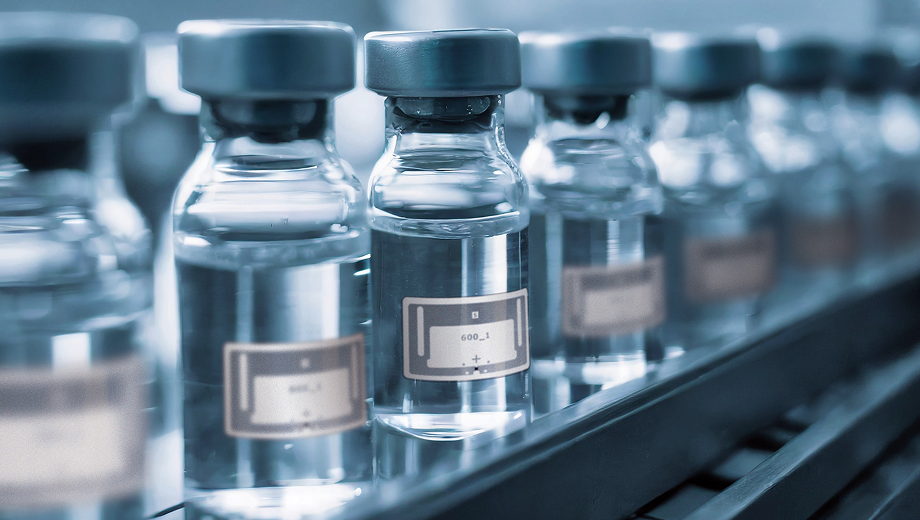
Discover how pharma production lines are using RFID embedded into primary packaging to enable safety, efficiency and compliance from the start of the supply chain.
RFID and NFC give every medicine, device, and consumable a unique digital identity. Instead of relying on manual checks or disconnected systems, healthcare gains item-level visibility.
Connect with our team for a private briefing focused on the evidence and its strategic implications for your leadership team.