
healthcare patient trust gap

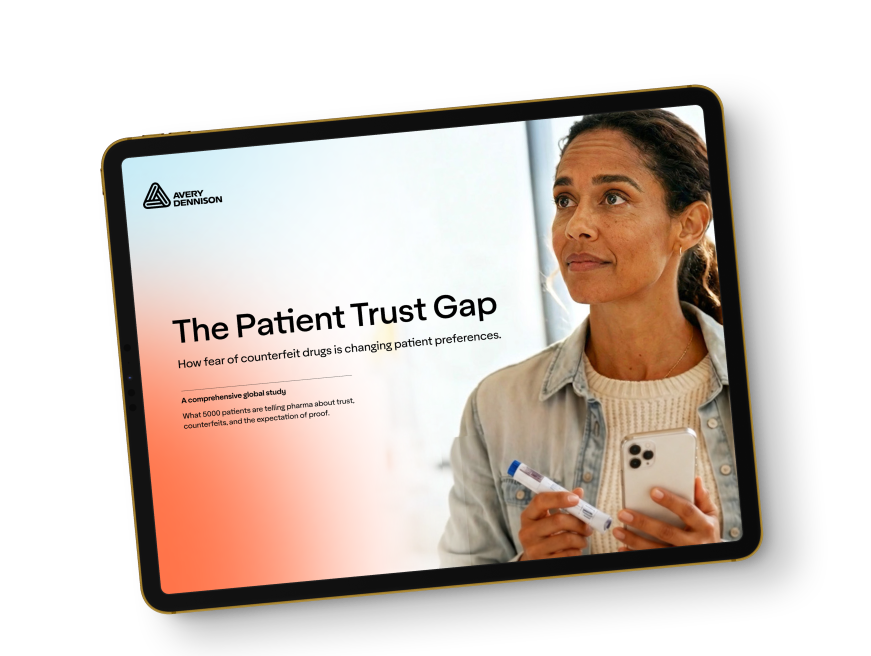
The Patient Trust Gap: 
How fear of counterfeit drugs is changing patient preferences

New data from 5,000 patients across the US, UK, France and Germany reveals the hidden commercial risk of drug identification failures and shows what pharmaceutical companies can do about it.


“People are understandably seeking greater confidence in the medicines they take. Our research shows they’re ready for technology that verifies authenticity and provides helpful information directly from the product itself.”


Barbara van Rymenam, Senior Director, Healthcare, Avery Dennison

Barbara Van Rymenam
Senior Director, Healthcare, Avery Dennison

What patients told us

Five headline statistics from our 2026 patient survey, revealing the scale of authenticity anxiety and the appetite for smart-packaging solutions.
 

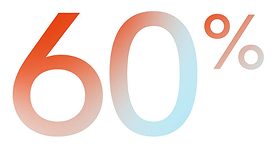
healthcare statistics 60
of patients worry their medicine could be fake

60% of patients managing chronic conditions worry their medication might not be genuine. In Europe the figure ranges from 57% to 60%. In the US it reaches 63%.

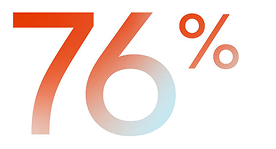
healthcare statistics 76
of patients want to know where their medication came from

76% of patients want to know where medication came from, how it was stored, and when it expires, yet 37% report receiving little or no information today.

healthcare statistics 83
of patients demand instant smartphone verification

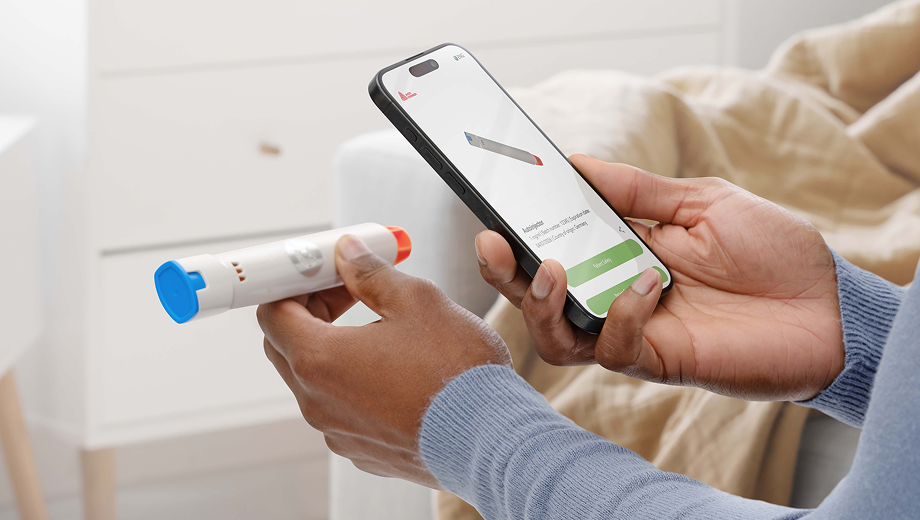
83% of patients want to verify medication authenticity via their smartphone, directly from the packaging. 

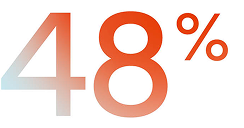
healthcare statistics 52
of patients find on-pack instructions confusing

48% of patients struggle to understand on-pack instructions, which is a major reason why more than half of chronic patients don't follow their prescriptions exactly.

healthcare statistics 87
of patients want pharmacist contact, accessible from the pack

87% of patients say direct pharmacist contact accessible right from the packaging via smartphone would be highly useful.


Read the full patient survey report

Explore key insights from our comprehensive study of 5,000 patients across the US, UK, France and Germany.

Experts Insights


Three Avery Dennison Healthcare experts explore what the data means for pharmaceutical brand strategy, supply chain design, and patient engagement.
 

The billion dollar gap for GLP-1 brands

Brand leaders must join anti-counterfeit teams to tackle the $171B non-adherence crisis and protect GLP-1 margins.

Pharma designed safety checks for medicines in hospitals. What about patients at home?

Hospitals have strict safety checks, but home patients are left alone. It's time to extend protection to the doorstep.

Will weight loss patients swipe left for your brand?

Mobile-first GLP-1 patients expect to use their smartphones to verify medication safety instantly. 

Want to dive deeper into the data?

Connect with our team for a private briefing focused on the evidence and its strategic implications for your leadership team.

Brand & patient safety

Smart packaging is helping patients and care providers to authenticate medicines and manage therapy adherence.

RFID and NFC in healthcare

By giving every medicine and device a secure, compliant digital identity, we turn vulnerability into intelligence - helping manufacturers and caregivers build safer, smarter, and more trusted healthcare systems.

The role of RFID in healthcare

RFID and NFC give every medicine, device, and consumable a unique digital identity. Instead of relying on manual checks or disconnected systems, healthcare gains item-level visibility.