Brand & Patient Safety
Smart packaging is helping patients and care providers to authenticate medicines and manage therapy adherence.


Barbara Van Rymenam
Senior Director Healthcare at Avery Dennison
March 11, 2026
What is the cost of a blind spot in your supply chain?
Across industries, billions of dollars in inventory are written off each year due to inefficiencies and lack of visibility. In pharmaceuticals alone, analysis of 28 major companies shows up to 4% of everything produced is destroyed - that’s more than $11 billion in medicines. Behind each dollar is a dose that didn't reach a patient, a batch that expired in a warehouse, or a recall that couldn't be executed with certainty.
But here's what I find most striking in my conversations with pharma leaders: the problem isn't a lack of technology. It's a lack of trust in the technology they already have.
The certainty gap
One misconception about healthcare transformation is that the industry needs more analytics. What leaders actually need is certainty. They describe having multiple systems - yet lacking the one thing that matters most: real-time, trusted facts about what's happening across the supply chain.
That gap between data and certainty is expensive. It drives safety stock levels higher. It slows decision-making during supply disruptions. And in a market where WHO estimates that 1 in 10 medical products in some regions is substandard or falsified, it creates vulnerabilities that bad actors exploit.
Trust as Infrastructure
Trust isn't a soft concept, it's hard infrastructure that delivers accurate data. When leaders trust their data, they can reduce waste, improve forecasting accuracy, and respond to emerging risks instantly. When they don't, they build in buffers, redundancies, and manual checkpoints that add cost and complexity.
I see this playing out in procurement decisions, technology adoption choices, and partnership strategies. Companies aren't asking "What's the cheapest solution?" They're asking "Who can we trust to deliver quality at scale?"
The executives I talk to want three things:
Reduce complexity. Fewer systems that talk to each other, not more systems that require integration.
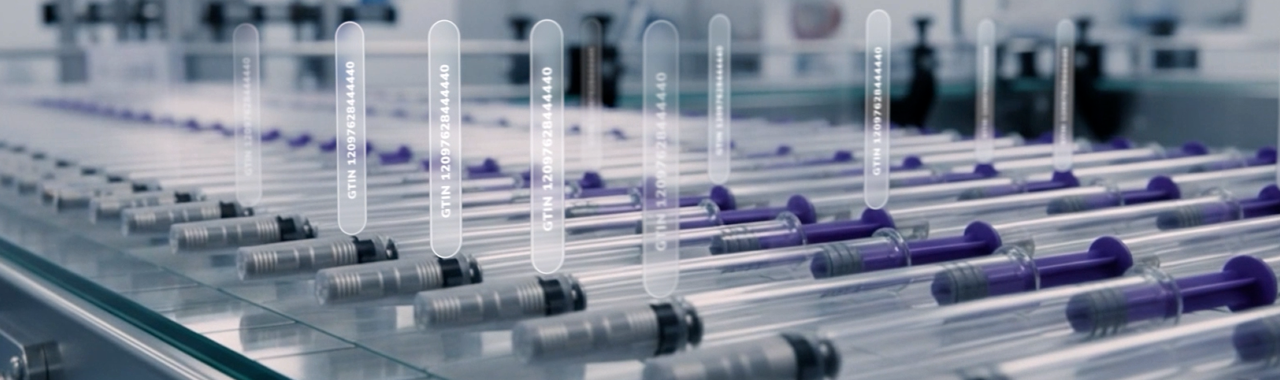
Build the foundation right. Unit-level visibility at manufacturing though the supply chain to the patient.
Enable teams to act with confidence. Real-time information that supports decisions, not reports that document what already happened.
Manual processes can't support modern expectations. The leaders who recognize this are making different choices; partnering with technology providers who understand global pharma's quality requirements and scale demands. This is about what technology makes possible: illuminating the blind spots in supply chains with intelligent digital solutions.
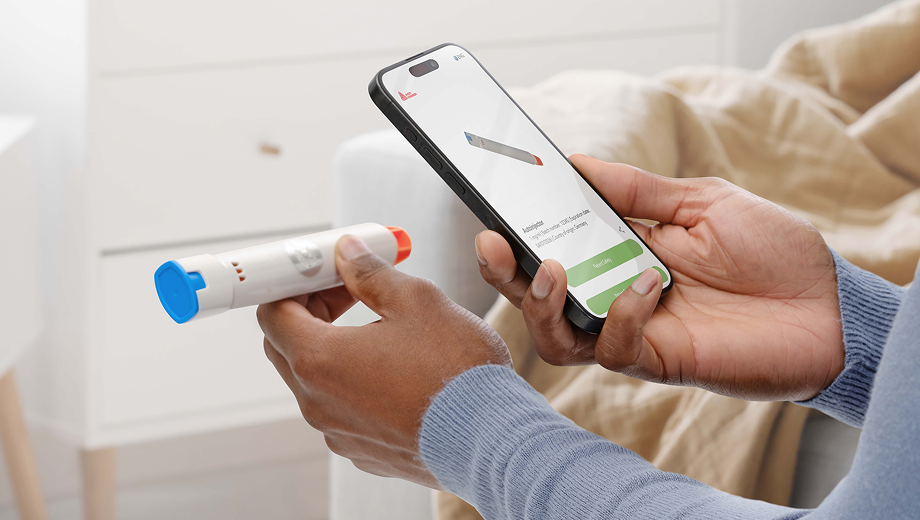
Smart packaging is helping patients and care providers to authenticate medicines and manage therapy adherence.

Discover how pharma production lines are using RFID embedded into primary packaging to enable safety, efficiency and compliance from the start of the supply chain.

Labs and medical testing facilities are using smart labels to improve the speed, chain-of-custody and efficiency of test results.

Intelligent digital identification of high-value medications is ensuring care providers have the right drugs available for patients at the moment it’s needed.