Brand & Patient Safety
Smart packaging is helping patients and care providers to authenticate medicines and manage therapy adherence.


Barbara Van Rymenam
Senior Director Healthcare at Avery Dennison
March 9, 2026
In my conversations with pharma product and security leaders, I keep hearing the same thing: enormous responsibility without the visibility to manage it confidently.
The tension is consistent across companies: we need to see more, we need to know more, and we need to act faster. And when 1 in 10 medicines in some regions are substandard or falsified according to WHO, the absence of reliable visibility isn't just an operational gap, it's a risk multiplier.
Consider the scale: manufacturing millions of doses of high-demand therapies, moving them through global distribution networks across multiple markets and channels. Somewhere between the facility (even within the facilities!) and the patient, visibility breaks down. There are data dark zones. Is this product where you think it is? Is it genuine, or has it been diverted? If you need to execute a recall, can you pull every unit with certainty?
Some track-and-trace systems are in place. Some products may have serialization. But the data doesn't give us confidence.
The gap between data and trust
This is what comes up repeatedly in my conversations with supply chain and manufacturing leaders: we have some data, but we can't trust it to answer critical questions with certainty.
That uncertainty creates vulnerability. To diversion. To counterfeiting. To operational inefficiencies that cascade into patient impact and wasted resources. The gap between what we can see and what we need to know keeps widening.
The counterfeit reality
For high-demand therapies (weight management drugs being the most visible example today) counterfeiting has reached industrial scale. Distribution is often through channels that appear legitimate until traced back. It is regulators who must step in to seize counterfeits. But post-market surveillance and reactive enforcement aren't keeping pace with the sophistication and scale of the threat. When you're producing at the volumes these therapies require, every point of blind spot multiplies risk across the entire supply chain.
What needs to change
The companies making progress aren't waiting for perfect infrastructure. They're extending existing anti-counterfeit measures with new approaches, working with partners who understand the scale, compliance, and precision pharma demands.
The questions they're asking are different:
How can patients verify the authenticity of the drugs they need? How do we create end-to-end visibility without adding operational complexity? How do we close the gap between having data and trusting it?
These conversations are defining what's possible when visibility becomes actionable. Not five years from now - today.
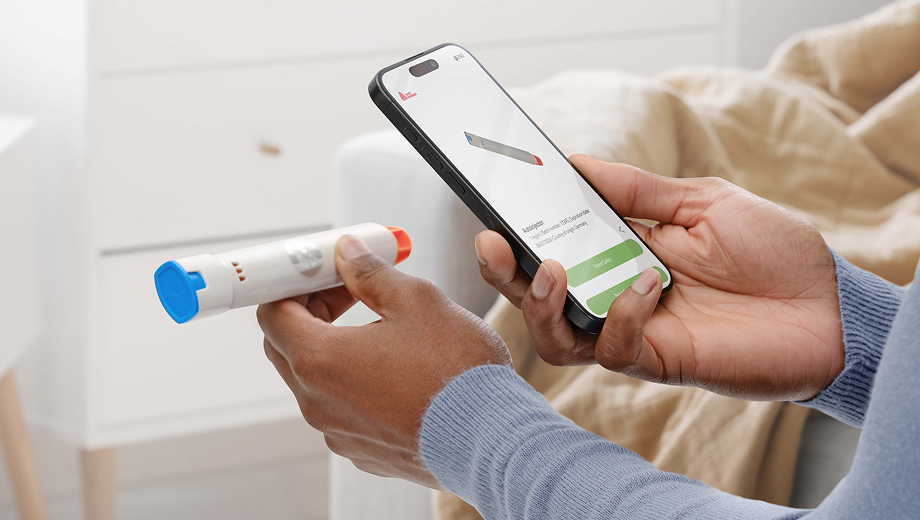
Smart packaging is helping patients and care providers to authenticate medicines and manage therapy adherence.
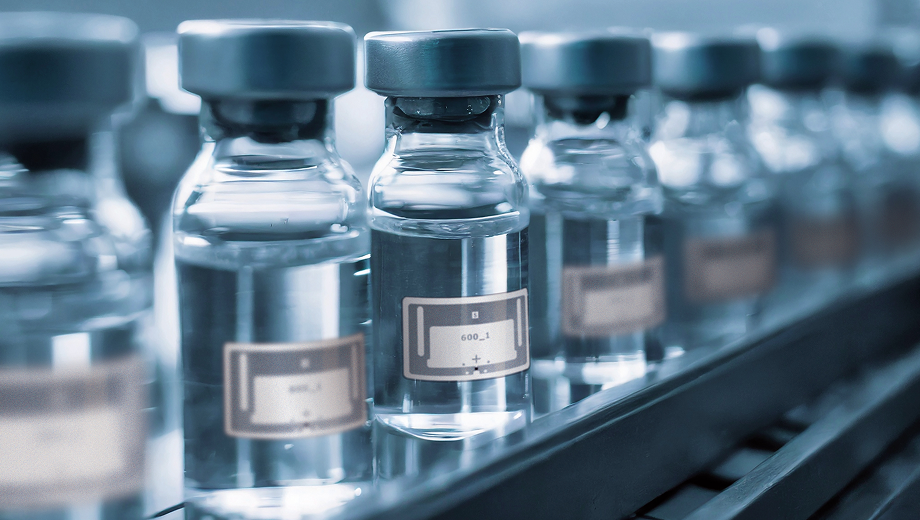
Discover how pharma production lines are using RFID embedded into primary packaging to enable safety, efficiency and compliance from the start of the supply chain.
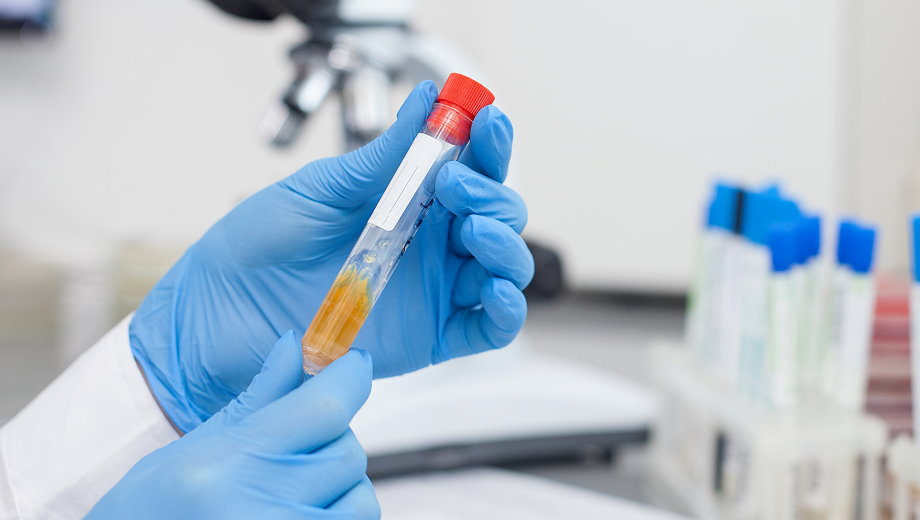
Labs and medical testing facilities are using smart labels to improve the speed, chain-of-custody and efficiency of test results.
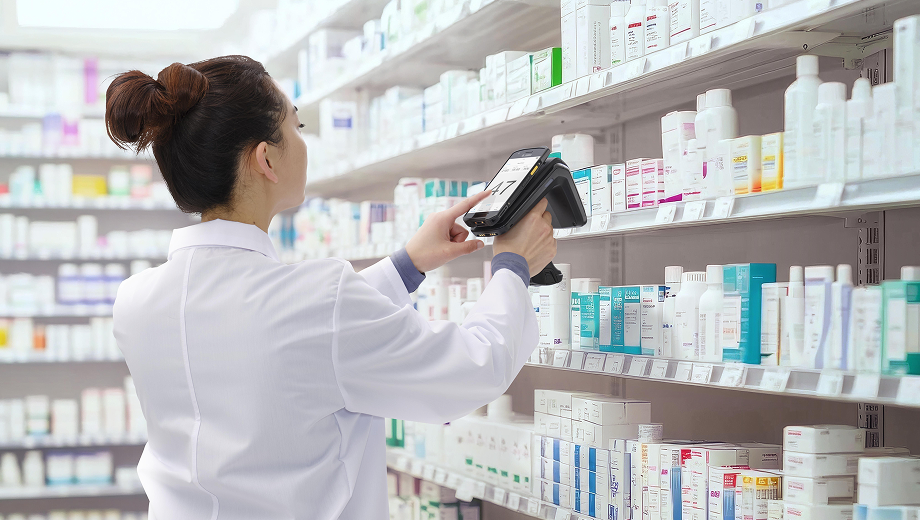
Intelligent digital identification of high-value medications is ensuring care providers have the right drugs available for patients at the moment it’s needed.